Resources For Families and Educators

Social (Pragmatic) Communication Disorder Vs. Autism Spectrum Disorder: What is the Difference?

Social (Pragmatic) Communication Disorder Vs. Autism Spectrum Disorder

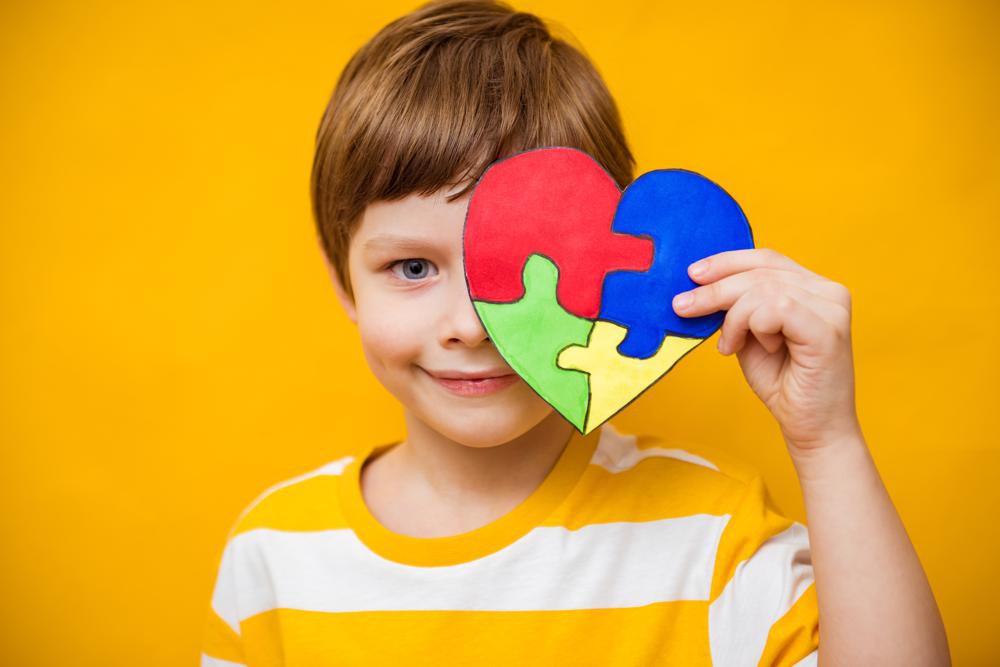
One of the main differences between Autism Spectrum Disorder (ASD) and Social Pragmatic Communication Disorder (SCD) is that people with Autism have difficulties with social communication (language deficits, social challenges) AND also exhibit repetitive and/or disruptive behaviors.

Repetitive behaviors often look like:

Continue reading
  1400 Hits
1400 Hits

February is “Heart Health Month”: Mind Your Heart!

February is “Heart Health Month”: Mind Your Heart! February is “Heart Health Month”: Mind Your Heart!

February is heart health awareness month and the perfect time to talk about how we can better care for our hearts. We know to eat right, exercise and check up with our cardiologists, but our emotional well-being plays such an important role too. Stress, anxiety, and depression are proven to be major risk factors for heart disease, the leading cause of death in our country. So, let's take a step back and take a deeper look at the importance of mental health.

Continue reading
  1149 Hits
1149 Hits

Implementing Vulnerability: Practicing Positive Communication

Implementing Vulnerability: Practicing Positive Communication Implementing Vulnerability: Practicing Positive Communication

Problems can arise in conversation. That's when emotions, expectations, and opinions clash. Everybody sees the world in a different way.

Continue reading
  1266 Hits
1266 Hits

Active Listening: Practicing Positive Communication

Active Listening: Practicing Positive Communication Active Listening: Practicing Positive Communication

Listening is so important. It is the easiest way to connect with other people and build relationships. We all know about passive listening. The person is hearing us speak but is tuned out or not mentally engaged. This could be discouraging and unsatisfying. Active listening is the opposite. It means listening completely. This type of listening is a skill that involves intentional engagement and can be improved over time with practice and effort.

Continue reading
  1361 Hits
1361 Hits

Parenting Doesn't Stop at Eighteen

Parenting Doesn't Stop at Eighteen Parenting Doesn't Stop at Eighteen

The finishing line is not 18! It can be difficult when your kids become adults. There are new challenges, new responsibilities and the stakes are higher. Guess what? You're still a parent! There are fantastic ways to help your young adult navigate this new stage of life.

Continue reading
  1700 Hits
1700 Hits

Back to School! How to Navigate Anxiety Around Covid-19

Back to School! How to Navigate Anxiety Around Covid-19 Back to School! How to Navigate Anxiety Around Covid-19

Back to School!

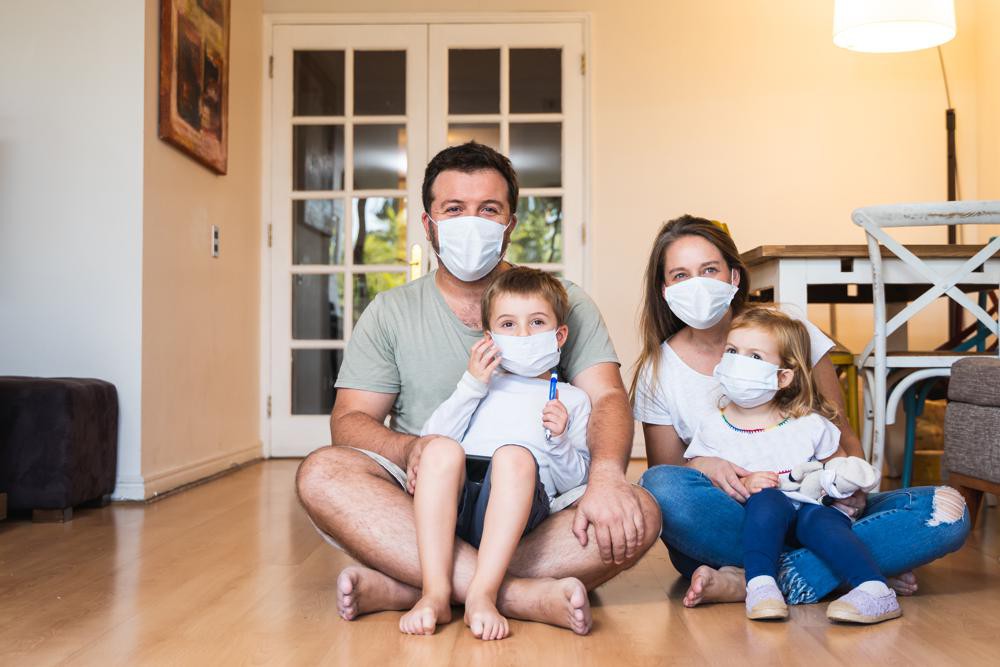
This is a time like no other! As our children head back to school and to the playground, we are naturally concerned about Covid-19 and its variants. A little anxiety can be helpful! It reminds us to wash our hands and wear our masks. Following the advice of health experts is so crucial on our quest back to normalcy. Yet, it is our prerogative as parents to give our children the best tools possible in this new chapter!

Continue reading
  1402 Hits
1402 Hits

100 Days into a Pandemic and the Process for Children, Teens, and Youth

100 Days into a Pandemic and the Process for Children, Teens, and Youth 100 Days into a Pandemic and the Process for Children, Teens, and Youth

It is just past the first approximately 100 days of the COVID-19 pandemic and life seems like it is coming back toward some steps of “reopening” since New York State was in a state of emergency. In fact, the stay at home orders are due to lift in New York State. We have come far, but this time has felt unforgiving for many.

In looking forward now to whatever the future may hold, there is a lot of uncertainty. Basic rhythyms for children, teens, and youth, like summer jobs, a beginning career, summer camps, vacations, and summer fun are a bit of a blur at the present time. The one thing that is admirable with children of all ages is the spirit of belief that resides at their core. In essence, they can be much more hopeful than we are as adults.

Continue reading
  1775 Hits
1775 Hits

Optimism in Children and Youth Especially in Times of a Pandemic

Optimism in Children and Youth Especially in Times of a Pandemic Optimism in Children and Youth Especially in Times of a Pandemic

There are many factors that lend to a child feeling well, positive, and hopeful even in the midst of worrisome thoughts. There’s a certain parental style too that helps to raise children who feel embraced, contained, and resilient even in the face of adversity. Children are born into circumstances that can allow or disallow them to experience optimism, yet there are others who even in the hardest of challenges shine hope, optimism, and depth for life that feels good in living it.

The latter are the children who can teach us the most.

Continue reading
  2320 Hits
2320 Hits

5 Full Weeks Since Schools Closed: Children’s Responses Now

5 Full Weeks Since Schools Closed: Children’s Responses Now Covid-19 and parents, new york

Dear Parents,
The last newsletter that was published for this clinical blog was right at the start of the school/college shut downs that occurred because of this pandemic. The advice was centered on how to speak with children and youth about the pandemic and what to expect in terms of their developmental handling of the information. For the 5th straight week now, all the children in New York and surrounding states have been at home. Whether they are preschoolers, elementary aged students, middle, high school or college students, they faced this great change with initial bravery as they had to.

Continue reading
  1801 Hits
1801 Hits

Addressing the Risk of COVID-19 in Preschool, Elementary and Secondary Schools While Serving Children with Disabilities

Addressing the Risk of COVID-19 in Preschool, Elementary and Secondary Schools While Serving Children with Disabilities Department of Education

Download the PDF File here

  1619 Hits
1619 Hits

Children and How Parents Can Respond to the Coronavirus

Children and Covid-19 Children and Covid-19

Sharing some information with children in this trying time is essential, however, that also heavily varies based on the developmental age and stage of the child. A younger child around age 5 or 6 may not need more information besides explanation of the hygiene procedures: “We are trying to keep healthy and need to wash our hands and stay clear of touching our face, nose, and mouth.” Some younger children in this age range have heard of the virus and will ask direct questions about it. Keep the facts simple and try not to over-explain things: “Yes, there is a virus and we need to be careful to stay healthy. That’s why we have to wash our hands more often.” Children under age 5/6 would generally be addressed in the same way if they ask questions.

Continue reading
  1930 Hits
1930 Hits

Interventions for Executive Functioning Challenges: Children, Teens, and Young Adults

Interventions for Executive Functioning Challenges: Children, Teens, and Young Adults Interventions for Executive Functioning Challenges: Children, Teens, and Young Adults

Questions often arise in consultations or assessments about strategies and interventions for children and young adults when executive functioning weaknesses are evident. Sometimes these challenges are in isolation, or they very commonly also overlap with other factors like anxiety and learning disorders. Interventions in school settings, such as preferential seating arrangements where both auditory and visual stimuli are optimal are essential. Extended time on tests, usually defined as time and a half on testing, is also a common recommendation as is a separate, quiet testing location either in small group or individually.

Continue reading
  2629 Hits
2629 Hits

Executive Functions and Attention: A Neuropsychological Assessment Perspective

Executive Functions and Attention: A Neuropsychological Assessment Perspective Executive Functions and Attention: A Neuropsychological Assessment Perspective

Neuropsychological performance can be considered as comprising five domains of functioning: Cognition, Memory & Learning, Verbal Functions, & Visuospatial Functions. Overlap among all 5 aspects should be assumed since the brain is integrated with neural connections across all areas of functioning. The prefrontal cortex (frontal lobes) of the brain houses the executive system. The executive system links up with all the brain systems and regulates them as needed in the service of goal-directed behavior. All cognitive systems are sensitive to frontal lobe pathology and that is why it is referred to as an important overseer of development and functioning in children and young adults.

Continue reading
  3869 Hits
3869 Hits

Boosting Cognitive Development in Toddlers (age 1-3)

Boosting Cognitive Development in Toddlers (age 1-3) Cognitive Development in Toddlers

MAKE IT FUN

Playful interactive stimulation is vital for cognitive development - a child's ability to think and reason. A child at play is constantly exploring, experimenting, thinking, learning, and solving problems. 

Continue reading
  1393 Hits
1393 Hits